Cooling Grains for Low Histamine Bread
Low Histamine Bread: The Gentle Way to Enjoy Bread Again

Living with histamine intolerance can make something as simple as bread feel complicated. Some days, one slice feels fine; other days, it triggers itching, redness, or fatigue.
If this sounds familiar, learning to choose or bake low histamine bread can help you bring back comfort and stability at mealtime.
This post walks you through the safest flours, types of bread to avoid, and a simple homemade recipe — so you can enjoy bread again without fear.
Why Bread Can Be a Trigger

Bread can become high in histamine or histamine-liberating compounds for a few reasons:
-
Long fermentation (like in sourdough)
-
Added preservatives, vinegar, or dough conditioners
-
Yeast byproducts or aged starter cultures
-
Mold or amine buildup in stored loaves
That’s why fresh, simply made bread tends to be the safest option for sensitive individuals.
Phase 1: The Cooling Foundation (Healing the Gut Before Bread)
In this first phase, the goal is to calm internal heat, rebuild gut lining, and reduce inflammation before reintroducing any bread or complex grains. This helps prevent reactions and supports long-term skin balance.
Focus on:
-
Hydrating, cooling meals using white rice, barley, and mung soup.
-
Avoiding heaty or stimulating foods like wheat, chilli, and fermented items.
-
Restoring digestion with gentle herbs like slippery elm or marshmallow root.
Tip: Stay simple — your body can’t heal if it’s constantly processing irritants. Think “rice and rest.”
Phase 2: Gentle Reintroduction of Safe Flours
Once your skin feels calmer and digestion improves, you can slowly try gentle, low-histamine flours from the cooling list above. Introduce one flour at a time for 3–5 days before mixing.
Focus on:
-
Starting with white rice, arrowroot, or barley flour pancakes or flatbreads.
-
Gradually blending in small portions of emmer or teff.
-
Keeping meals light, warm, and fresh — avoid leftovers or reheating.
Tip: If you feel warmth, itching, or bloating after a new flour, pause and return to Phase 1 foods.
Choosing the Right Bread Base: Flour Matters
The type of flour you use can make a major difference in how your body reacts. Some grains are naturally cooling and low histamine, while others are more heaty and inflammatory, especially for eczema-prone or histamine-sensitive people.
Below is a guide to help you choose wisely.
| Flour Type | Salicylate Level | Histamine Risk | Heaty / Cooling Nature | Notes |
|---|---|---|---|---|
| White Rice Flour | Low | Very Low | Cooling | Gentle, safe for most eczema/heat-sensitive people |
| Brown Rice Flour | Low | Neutral (more amines if stored long) | Neutral–Cooling | Slightly heavier but still cooling |
| Sorghum (Jowar) | Low | Low | Slightly Heaty | Excellent for sensitive diets |
| Barley (Jau) | Low | Low | Cooling | Helps reduce internal heat |
| Millet (General) | Low | Low | Neutral–Cooling | Type matters (see below) |
| – Pearl Millet (Bajra) | Low | Low | Slightly Warming | Dense, can cause gas in some |
| – Foxtail Millet (Thinai) | Low | Low | Slightly Heaty | Light and digestible |
| – Kodo / Little / Barnyard Millet | Low | Low | Cooling | Best among millets for cooling effect |
| Emmer (Khapli Wheat) | Low | Low | Mildly Warm | Gentle ancient wheat |
| Einkorn / Spelt / Kamut (Ancient Wheats) | Low | Low | Slightly Warm | Easier to digest than modern wheat |
| Modern Whole Wheat | Low | Neutral–Medium | Heaty | Can aggravate inflammation or heat |
| Chakki Atta (Whole Wheat Stone-Ground) | Low | Medium (if stored) | Heaty | Strong digestive stimulant |
| Oat Flour | Low–Medium | Neutral | Neutral | Fine for many, slightly mucus-forming |
| Corn / Maize Flour | Low | Medium (amines can form) | Neutral–Warm | Can be inflammatory for some |
| Buckwheat | Low | Neutral | Warming | Energizing but heaty for eczema-prone people |
| Amaranth (Rajgira) | Low | Neutral | Mildly Warm | Protein-rich, good in moderation |
| Quinoa Flour | Medium | Medium | Neutral–Warm | Slight salicylate and saponin risk |
| Teff Flour | Low | Low | Neutral | Gentle ancient grain |
| Cassava / Tapioca Flour | Low | Low | Cooling | Good binder, very gentle |
| Arrowroot Flour | Low | Low | Cooling | Soothing for gut and skin |
| Potato Flour | Medium–High | Medium | Cooling | (But avoid if sensitive to potato) |
| Sweet Potato Flour | Medium | Medium | Neutral | Skip due to salicylates |
| Chickpea / Besan | Medium | Medium | Warm | Heaty, may worsen eczema or bloating |
| Lentil / Moong / Urad Flours | Medium | Medium | Warm | Heaty; limit if prone to heat or itch |
Yes — white bread made from plain, unfortified flour, yeast, water, and salt is usually low histamine, provided it’s fresh and preservative-free.
Avoid mass-produced white breads with dough improvers, vinegar, or citric acid, as these can increase histamine levels.
Is Brown Bread Low Histamine?

Brown bread can be low histamine if it’s made fresh and stored properly, but whole grains are heavier and sometimes harder to digest.
If your body runs hot or you have eczema, limit brown bread to occasional use. Toasting can make it slightly easier to tolerate.
Is Rye Bread Low in Histamine?

Rye bread tends to have higher histamine content due to longer fermentation. Most commercial rye is not ideal for histamine intolerance.
Rye bread histamine levels rise further if the bread is left out or not frozen promptly. Choose fresh-baked yeast-based rye if experimenting.
Is Sourdough Bread Low Histamine?

Unfortunately, sourdough bread is not low histamine. The natural fermentation that gives it flavor also raises amine levels.
If you’re highly sensitive, skip sourdough — even wholegrain or gluten-free versions.
A year ago when my eczema flared, and when i transitioned into clean eating I had sourdough bread almost everyday, the itch was the same everyday, I thought sourdough was a good replacement to commercial white breads in the supermarket.
But, as the itch intensified, I thought to myself could it be that this sourdough bread that I am eating for breakfast be the culprit?
You see, for long period of time I didn’t know the link between my eczema and the food I was consuming daily,
I love fermented food like kimchi, belacan, cencalok-fermented pawns, olives, yoghurt- you name it, it was my go to snack/flavour enhancer. However coupled with spicy food and sambal which is a household staple among the Malays my gut became inflamed as I ate less cooling foods / vegetables.
The root cause for eczema differs from person to person, for some it was dust, mold, allergies to certain foods like eggs, seafood- others like myself after looking back at my diet it was probably full of high histamine foods like the fermented foods and histamine liberators like spices.
So in the initial phase of healing, it is important that you eliminate all high histamine foods and high salycilate foods to heal your gut.
My Go-To Barley Flat bread Recipe
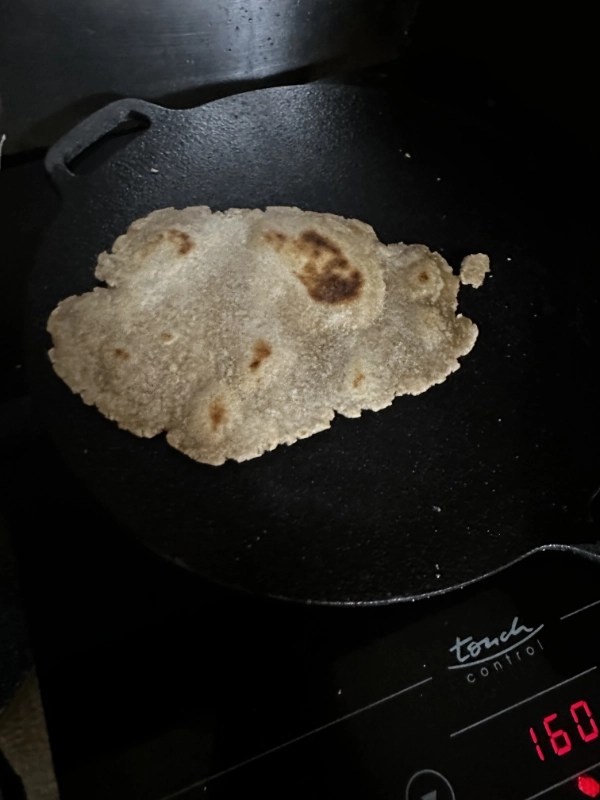
Barley is something my body can tolerate as I am not sensitive to gluten, you can swap to Gluten-Free low histamine flour
instead if you are sensitive to gluten,
Cooling Barley Flatbread (Low Histamine Bread Recipe)
This gentle, low-histamine barley flatbread is ideal during Phase 2: Gentle Reintroduction of Safe Flours.
It helps you enjoy bread again — without the heat or inflammation that comes from modern wheat or yeast-based loaves.
Ingredients (Makes 2–3 flatbreads)
-
1 cup barley flour
-
¼ cup white rice flour (for softness)
-
A pinch of salt
-
Add boiling water bit by bit until flour is well incorporated or you can cook the barley and add water in a pan and wait until it’s warm enough to knead the dough
Optional add-ins (only if tolerated):
-
Finely chopped lettuce or cucumber (cooling)
Instructions

-
In a bowl, mix barley flourand salt.
-
Slowly add boiling water, a few tablespoons at a time, until a soft dough forms.
-
Knead briefly until smooth. Rest for 5–10 minutes.
-
Divide into small balls and roll each one out thinly (like a chapati or tortilla).
-
Heat a flat pan (tawa) on medium-low.
-
Cook one side until light spots appear, then flip and cook the other side.
-
Serve warm with cooling sides — like cucumber slices, lettuce,daikon stir fry or mung dal soup.
Tips
-
Keep dough fresh; avoid refrigerating or reusing next day (histamine risk).
-
Always use freshly ground barley flour if possible.
-
Avoid fermentation or yeast — this keeps it truly low histamine.
-
Pair with hydrating foods like salad or daikon str fry to balance barley’s natural dryness.
Gluten-Free Low Histamine Flour Options
For those avoiding gluten, gluten-free low histamine breads can be a soothing alternative. The best flours include:
-
White rice flour; use short grain white rice as they bind better than basmati rice flour
-
Tapioca or cassava flour
-
Arrowroot flour
-
Sorghum or millet flour (especially Kodo or barnyard millet)
Avoid store-bought gluten-free breads that contain vinegar, xanthan gum, yeast extract, or “flavor enhancers.”
You can also look for low histamine bread brands that use minimal ingredients and deliver frozen.
Is Soda Bread Low Histamine?
Yes — soda bread is one of the safest options. It doesn’t rely on yeast or fermentation, which keeps histamine levels very low.
Soda bread is also quick to make and works well with rice or millet flour blends.
Simple Low Histamine Gluten Free Bread Recipe
Ingredients:
-
1 cup white rice flour(if you can tolerate white rice as it’s high in glycemic index)
-
1/2 cup tapioca flour
-
1 tsp baking soda
-
1 tsp salt
-
1 tbsp olive oil (if you can tolerate) or grass fed-ghee
-
1 cup filtered water (adjust slightly for consistency)
Instructions:
-
Preheat oven to 180°C (350°F).
-
Mix all dry ingredients.
-
Add oil and water, stir into a smooth batter.
-
Pour into a greased loaf pan.
-
Bake 35–40 minutes or until a toothpick comes out clean.
-
Cool fully before slicing.
Freeze immediately after cooling to prevent histamine buildup.
Action Plan: Finding Your Safe Bread
-
Start small. Try one flour or bread type at a time.
-
Freeze immediately. Slice and freeze to slow histamine formation.
-
Keep a food log. Note how each bread affects your energy, skin, and digestion.
-
Rotate grains. Don’t rely on one type daily; alternate between rice, millet, and barley.
-
Go homemade. You control freshness and ingredients.
Final Thoughts
Finding the right low histamine breads takes patience, but it’s absolutely possible. With the right flours, mindful storage, and simple recipes, you can enjoy bread again — calmly and confidently.
The key is balance: focus on cooling grains, eat bread fresh, and give your body time to heal.
Download My Free Printable To Track Your Symptoms while Testing
Low Histamine Bread!